
A recent study introduces TimeVault, an innovative biotechnology that uses engineered vault nanoparticles to store and preserve cellular RNA over time.

This approach allows scientists to link past transcriptional states with future cellular behavior, opening new perspectives in neuroscience, cancer biology, and regenerative medicine.
TimeVault Nanoparticles as RNA “Time Capsules”
TimeVault builds on one of the most fascinating yet mysterious structures in cell biology: vault nanoparticles.
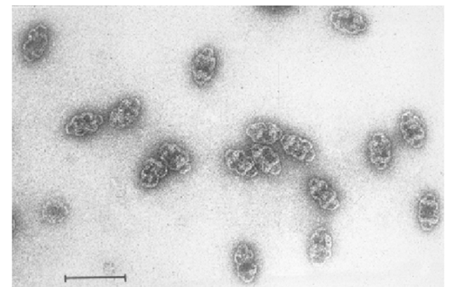
These large barrel-shaped ribonucleoprotein complexes are naturally present in most animal cells. They are mainly composed of multiple copies of the Major Vault Protein (MVP), which assemble into a hollow nanoshell. Although their exact biological function remains unclear, their unique architecture makes them ideal candidates for molecular storage and protection systems.
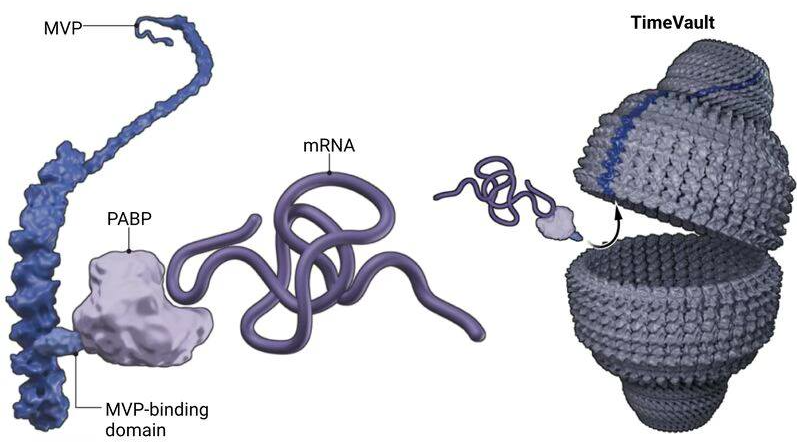
To transform vaults into RNA storage devices, researchers engineered them by attaching a poly(A)-binding protein (PABP), a molecule that naturally binds messenger RNA (mRNA), to a vault-targeting domain.
This fusion protein actively transports mRNA molecules into newly formed vault particles, where RNA becomes physically shielded from degradation. In this way, vaults act as molecular time capsules, preserving gene expression information for extended periods.
Remarkable RNA Stability Over Time
The performance of the TimeVault system is particularly striking:
- RNA molecules can be preserved for 7 to 12 days
- More than 40% of stored RNA remains intact after 12 days
- Archived RNA accurately reflects global gene expression profiles
These results suggest that vault-based storage could become a powerful tool for studying dynamic cellular processes.
Potential Applications in Biomedicine and Neuroscience
This technology could have wide-ranging implications, including:
- Identifying pre-existing drug resistance mechanisms in cancer cells
- Capturing transient stress responses, such as inflammation or heat shock
- Studying dynamic biological transitions, including stem cell differentiation and neuronal plasticity
By enabling long-term tracking of gene expression, TimeVault may transform how researchers investigate disease progression, cellular adaptation, and tissue development.