Can You Really Die of a Broken Heart? A Scientific Perspective

We´ve all heart someone say they´re “dying of a broken heart”. Most of the time, it´s just a figure of speech. However, modern medicine shows that intense emotional stress can, in fact, have real and measurable effects on the heart.

One condition in particular – Takotsubo cardiomyopathy, commonly known as “broken heart syndrome” – demonstrates just how closely our emotional and physical health are connected.

What is broken heart syndrome?

Broken heart syndrome is a transient cardiac condition that closely resembles a heart attack but occurs without blocked coronary arteries. Patients often experience symptoms identical to those of an acute myocardial infarction, including:

  • Chest pain
  • Shortness of breath
  • Abnormal electrocardiogram (ECG) readings
  • Elevated cardiac biomarkers

Despite these alarming signs, imaging reveals a distinctive pattern of heart dysfunction rather than permanent damage.

Why Is It Called “Takotsubo”?

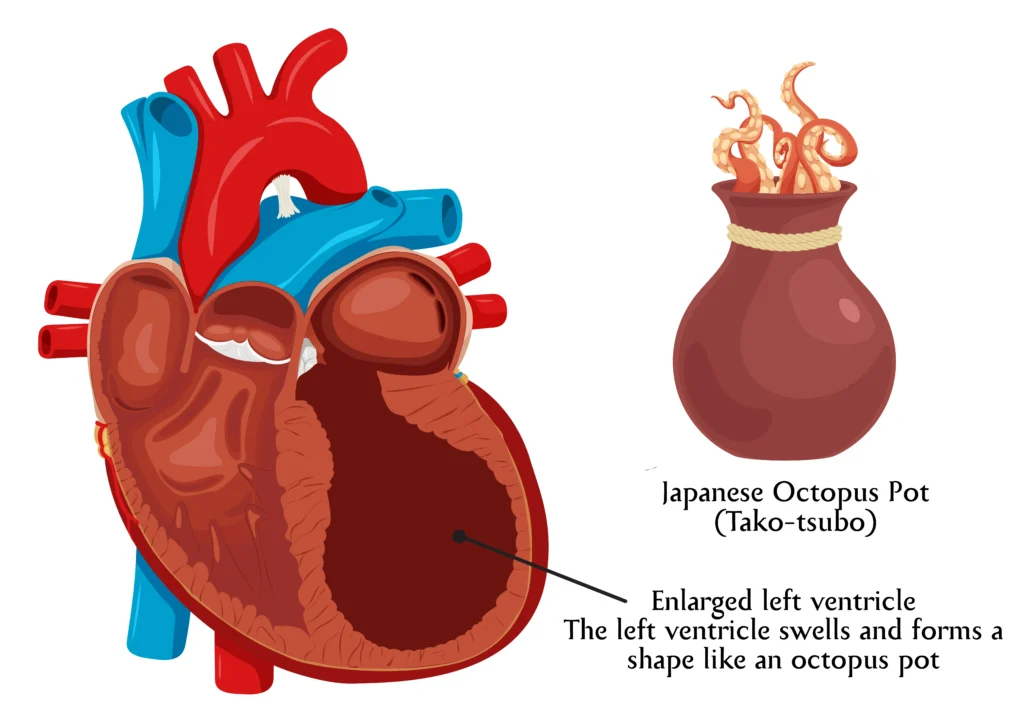
The term Takotsubo comes from Japanese and refers to a traditional octopus trap—Takotsubo pot—used by fishermen.

This pot has a round, narrow-necked shape, which closely resembles the appearance of the left ventricle in affected patients. During the acute phase of Takotsubon cardiomyopathy, the base of the heart contracts normally while the apex balloons outward, creating a silhouette strikingly similar to this vessel.

The condition was first described in Japan in the 1990s, and the name has remained due to this distinctive visual analogy.
National University Heart Centre Singapore (NUHCS). (2025). Takotsubo Cardiomyopathy. Retrieved from https://www.nuhcs.com.sg/heart-information/medical-conditions/takotsubo-cardiomyopathy

The Characteristic Cardiac Changes

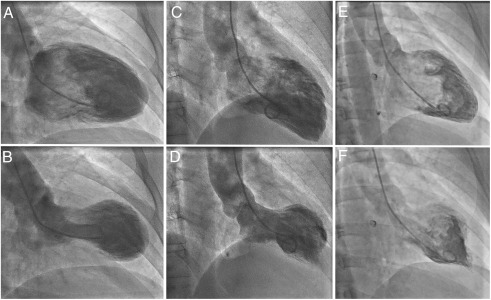
One of the defining features of Takotsubo cardiomyopathy is a temporary weakening of the left ventricle.
This often presents as apical ballooning, where the tip of the heart enlarges and loses its ability to contract effectively. Fortunately, this dysfunction is usually reversible, with most patients recovering normal heart function within days or weeks.
Aparisi, Á., & Uribarri, A. (2020). Síndrome de Takotsubo. Medicina Clínica, 155(8), 347–355.

What Causes It? The Role of Stress Hormones

The exact mechanism behind broken heart syndrome is not fully understood. However, the
leading explanation involves a surge of stress hormones—particularly catecholamines such as
adrenaline.
These hormones may affect the heart in several ways:

  • Direct toxicity to heart muscle cells
  • Dysfunction of small blood vessels (microvascular dysfunction)
  • Abnormal constriction of coronary arteries

In essence, extreme stress can temporarily “stun” the heart.

Who Is Most at Risk?

Epidemiological data show that this condition predominantly affects postmenopausal women.
This has led researchers to suggest that estrogen may play a protective role in regulating the
cardiovascular response to stress.
Triggers are often linked to intense emotional or physical events, such as loss of a loved one, severe illness and major life shocks (negative or positive).

Possible Complications

Although the prognosis is generally favorable, broken heart syndrome is not entirely benign. Potential complications include:

  • Heart failure
  • Arrhythmias
  • Thromboembolism
  • Cardiogenic shock (in rare cases)

While mortality rates are lower than those of traditional heart attacks, they are not negligible, making proper diagnosis and monitoring essential.

Conclusion

So, can you really die of a broken heart? Not in the poetic sense—but science shows that intense emotional stress can lead to serious cardiac dysfunction.
Takotsubo cardiomyopathy stands as a powerful example of the connection between the brain, hormones, and the heart. It reminds us that emotional well-being is not just psychological—it is deeply physiological.

References

  • Schweiger, V., et al. (2024). Temporal trends in Takotsubo syndrome: Results from the International Takotsubo Registry. Journal of the American College of Cardiology (JACC).
  • Ravindran, J., & Brieger, D. (2024). Clinical perspectives: Takotsubo cardiomyopathy. Internal Medicine Journal.
  • Rahko, P. S. (2024). Takotsubo cardiomyopathy: New insights into long-term outcomes. Journal of the American College of Cardiology (JACC).
  • Arunkumar, S., & Jegaverrapandi, K. (2024). Pharmacological triggers of Takotsubo cardiomyopathy: An updated review. Current Cardiology Reviews.

The Hidden Math Behind Smooth Design: Understanding Bézier Curves

If you’ve ever admired a perfectly smooth logo, a clean animation in a mobile app, or the curves of a car, you’ve already seen Bézier curves in action.

Bézier curves are one of those scientific ideas that quietly shape our digital world. They come from mathematics, but today they are used everywhere: in graphic design, video games, user interfaces, engineering, and even animation movies.

They were originally developed in the 1960s for the automotive industry. Engineers needed a way to design smooth and precise shapes for car bodies. Instead of drawing curves by hand, they used mathematical equations that could generate perfectly controlled curves.

A Bézier curve is controlled by a small number of points called control points. Instead of forcing the curve to go through every point, the curve is influenced by them.

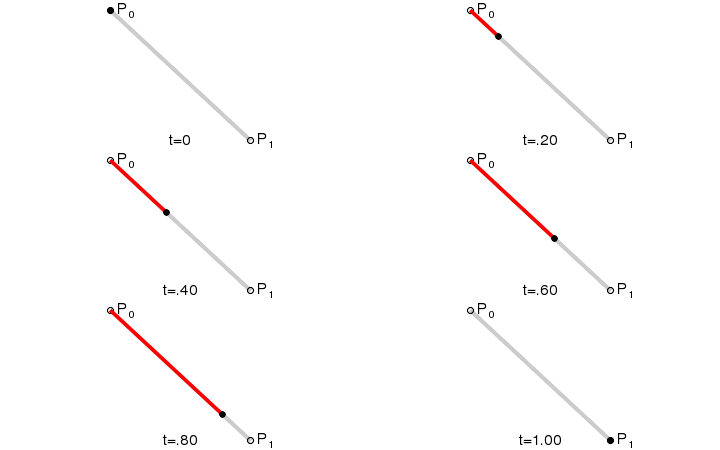
First, we take two points and connect them with a line. Then, we create a point that moves from the first point to the second one, following that line.

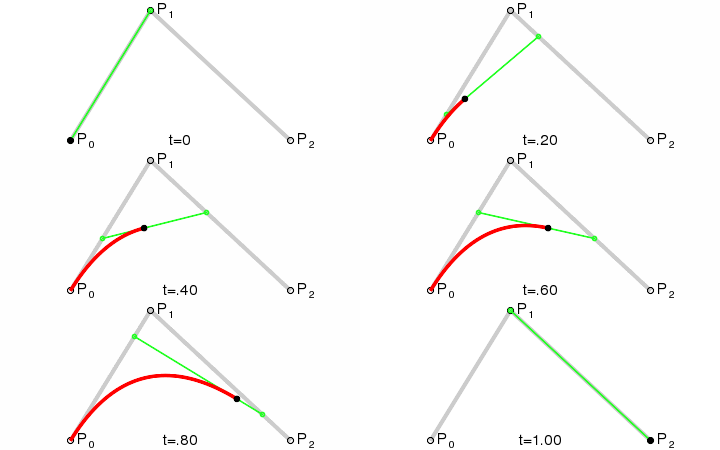
Next, we do the same thing with another pair of points. We now have two moving points, each one sliding along its own line.

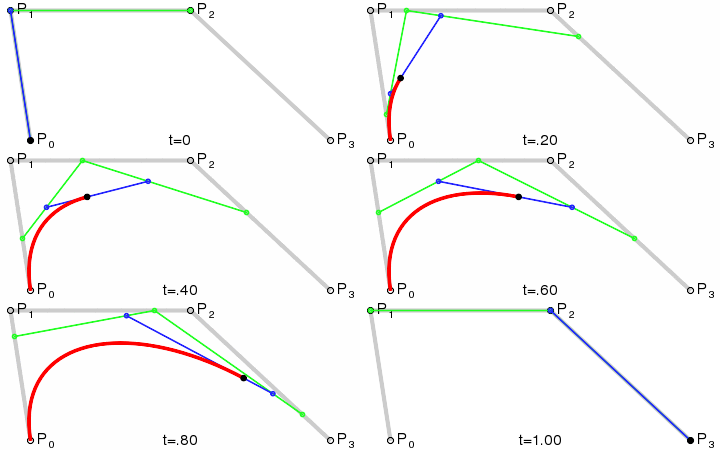
Finally, we connect these two moving points with another line, and we add one last point that moves from one to the other. The path followed by this final moving point is what we call a Bézier curve.

Now we can add as many control points as we want !

What makes Bézier curves fascinating is that they are not just abstract mathematics. They are a perfect example of science applied to creativity.

So the next time you see a clean logo or a smooth animation on your phone, remember: behind that simple curve, there is a beautiful piece of mathematics working silently.

Is White Light Really Blue? The Truth About White LEDs

For a long time, incandescent bulbs were the main source of artificial light in our homes and streets. By heating a filament until it glowed, they produced the warm light that defined everyday lighting for more than a century. Today, however, most everyday lighting relies on LEDs, which are far more energy-efficient and longer-lasting. This change marks one of the most important advances in everyday lighting.

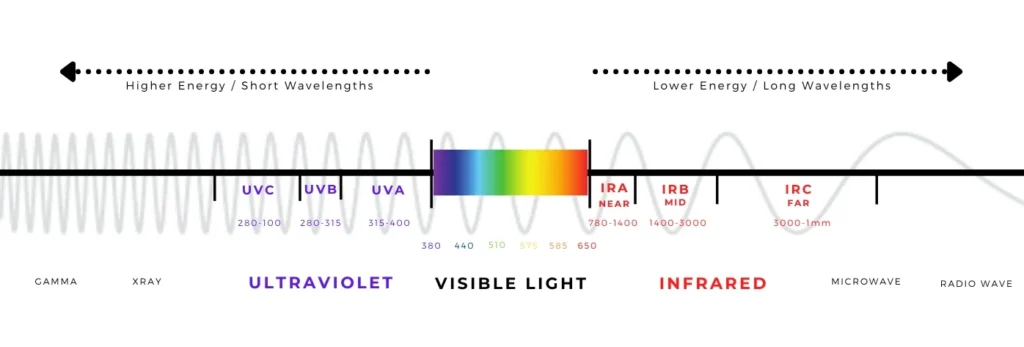
Figure 1. Electromagnetic spectrum. Source: Helathligting.com

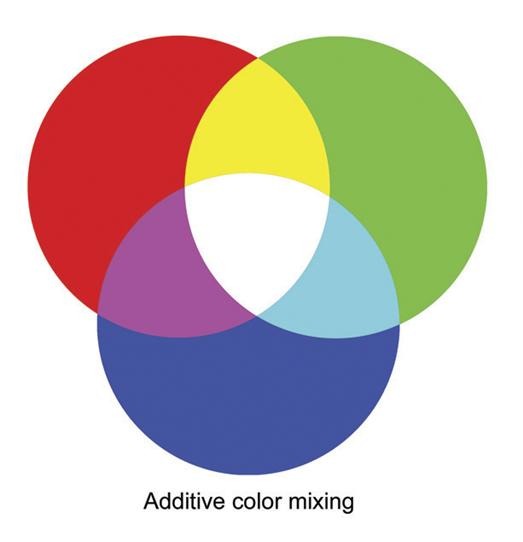
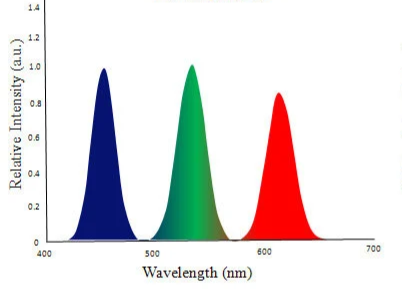
First, we need to understand how we perceive colour. Light is part of the electromagnetic spectrum (Figure 1), but our eyes can detect only a small portion of it: visible light. Objects appear coloured because they absorb some wavelengths of light and reflect others into our eyes. In additive colour mixing, combining the three primary colours of light (red, green, and blue) produces white light (Figure 2). Some displays and specialised LED systems work in exactly this way, by carefully mixing red, green, and blue emitters (Figure 3). However, this is usually not how white LEDs for everyday lighting are made, since that approach is more complex and often less efficient for general illumination.

Figure 2. Additive color mixing Source: tvtechnology.com
Figure 3. Trichromatic LED spectra. Source: Sevincer, A., et al. (2013).

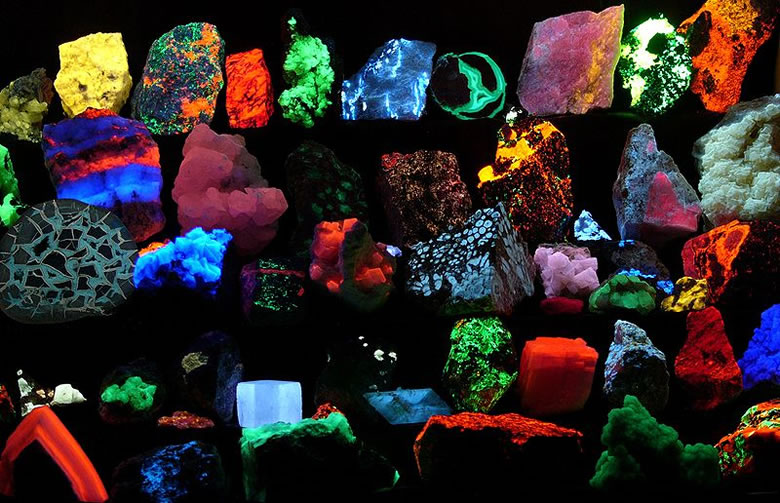
Instead, photonics offers a much more elegant mechanism: fluorescence. In simple terms, fluorescence occurs when a material absorbs light of one colour, usually one with higher energy, which means it is closer to the blue end of the spectrum, and then re-emits part of that energy as light of another colour, usually with lower energy, closer to the red end. A familiar example can be seen in fluorescent paints or minerals that glow under ultraviolet light (Figure 4). The key idea is that the material transforms the incoming light into new wavelengths, changing the colour we ultimately perceive.

Figure 4. Fluorescent minerals. Source: geology.com

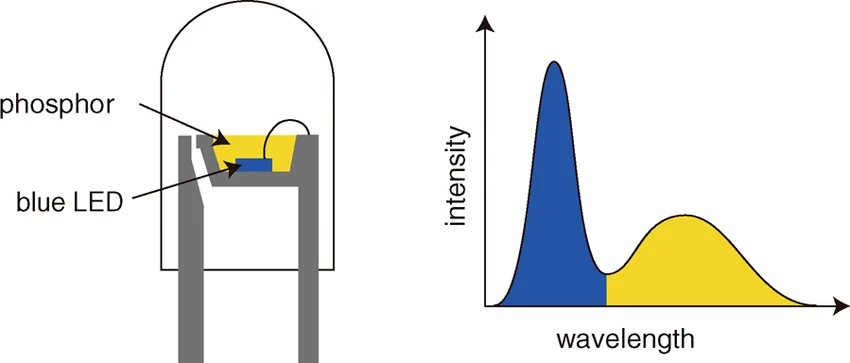
This is exactly the principle behind most white LED bulbs. They are not truly “white” light sources by themselves. In most cases, the heart of the device is actually a blue LED. This blue light then passes through a fluorescent coating, typically made of phosphor materials, which absorbs part of the blue emission and re-emits it at longer wavelengths, especially in the yellow region (Figure 5). The combination of the remaining blue light and the converted yellowish light is perceived by our eyes as white. So, in a sense, many white LEDs are indeed based on blue light, but transformed through fluorescence into something much richer.

Figure 5. Structure and spectrum of phosphor‐converted white LED. Source: Toh, A. & Yang, L. & Sakiyama, Kazuo & Sugawara, T.. (2019). Fingerprinting Light Emitting Diodes Using Spectrometer. Electronics Letters. 55. 10.1049/el.2019.1908.

In the end, white LEDs are a beautiful example of how modern photonics turns a simple physical effect into a technology that shapes everyday life. What appears to be ordinary white light is actually the result of a clever interaction between a blue semiconductor and fluorescent materials. Rather than a trivial engineering trick, it is a reminder that even the technologies we use every day can be built on fascinating physics.

By: Borja García García

Plant Protection in the 21st Century: From Pesticides to Sustainable Defense Systems

When we hear the term plant protection, many of us immediately think of pesticides. But modern plant protection is far more complex and more sustainable than simply spraying chemicals on crops.

Today, plant protection is about defending crops while protecting ecosystems, human health, and biodiversity.

Plant protection refers to all strategies used to prevent and control damage caused by plant pathogens (fungi, bacteria, viruses), insect pests, nematodes, weeds, or by abiotic stresses (drought, salinity, temperature extremes).

The aim? Reduce yield losses while minimizing environmental impacts.

For decades, synthetic pesticides were the dominant solution. They were effective, but their overuse led to:

  • Pesticide resistance: the target pests become more resistant through heritable reduction in their sensitivity to a pesticide, causing control failures.
  • Risks to human health: exposure through food, water, air, and occupational contact leads to acute poisoning and chronic illnesses such as cancers, neurodegenerative diseases (Parkinson’s), infertility, and developmental delays in children.
  • Environmental contamination
  • Biodiversity loss

In response, the European Union introduced policies such as Directive 2009/128/EC, which promotes the sustainable use of pesticides and requires Member States to adopt Integrated Pest Management (IPM).

IPM is a science-based approach that combines multiple strategies to manage pests economically and sustainably. Instead of relying on a single tool, IPM integrates:

  • Biological control: using natural enemies (predators, parasitoids, beneficial microbes)
  • Cultural practices: crop rotation, resistant varieties, planting dates
  • Mechanical methods: using traps and physical barriers
  • Chemical control: used only when necessary and in a targeted way

The core principle is simple:

Innovation is reshaping the field through:

  • Precision agriculture tools that reduce pesticide use
  • Resistant crop varieties developed through advanced breeding
  • Biopesticides and microbial-based solutions
  • Digital pest monitoring systems

Sustainable plant protection is not about eliminating technology, but it’s about using science responsibly.

Feeding a growing global population WHILE preserving ecosystems is one of the greatest challenges of our time, and plant protection sits at the center of this challenge.

The real question is no longer Should we protect plants? .. but rather: How can we protect them in a way that protects everything else too?

Well, this is all for today! If you found this article useful, share it with someone interested in sustainable agriculture. Thank you for reading.

By: Bassma EL BAKKOURI

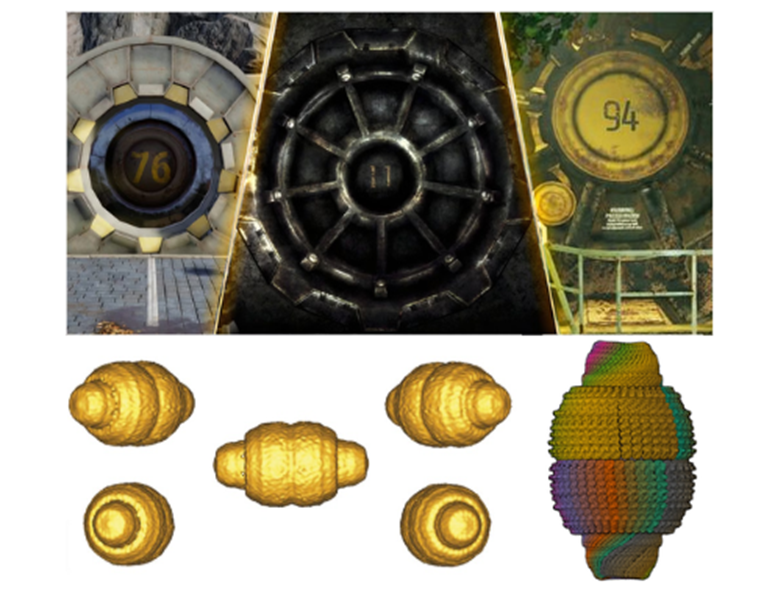
TimeVault: The “Fallout Vault” for cellular RNA

A recent study introduces TimeVault, an innovative biotechnology that uses engineered vault nanoparticles to store and preserve cellular RNA over time.

TimeVault
TimeVault

This approach allows scientists to link past transcriptional states with future cellular behavior, opening new perspectives in neuroscience, cancer biology, and regenerative medicine.

TimeVault Nanoparticles as RNA “Time Capsules”

TimeVault builds on one of the most fascinating yet mysterious structures in cell biology: vault nanoparticles.

These large barrel-shaped ribonucleoprotein complexes are naturally present in most animal cells. They are mainly composed of multiple copies of the Major Vault Protein (MVP), which assemble into a hollow nanoshell. Although their exact biological function remains unclear, their unique architecture makes them ideal candidates for molecular storage and protection systems.

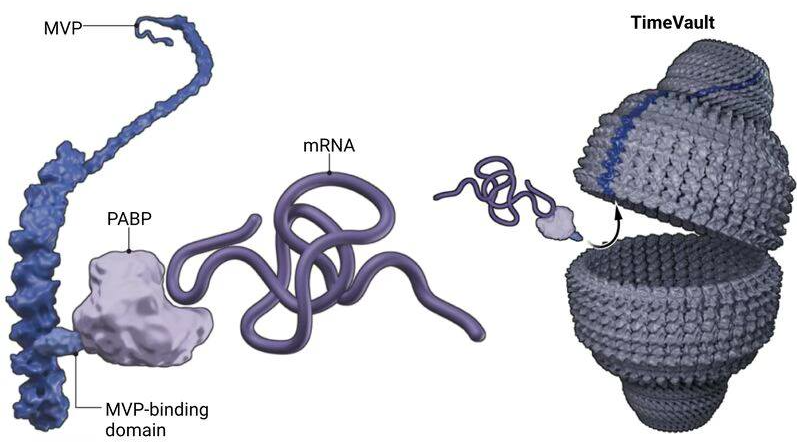
TimeVault: Inserting a protein domain MVP to Poly (A) binding PABP
TimeVault Formation

To transform vaults into RNA storage devices, researchers engineered them by attaching a poly(A)-binding protein (PABP), a molecule that naturally binds messenger RNA (mRNA), to a vault-targeting domain.

This fusion protein actively transports mRNA molecules into newly formed vault particles, where RNA becomes physically shielded from degradation. In this way, vaults act as molecular time capsules, preserving gene expression information for extended periods.

Remarkable RNA Stability Over Time

The performance of the TimeVault system is particularly striking:

  • RNA molecules can be preserved for 7 to 12 days
  • More than 40% of stored RNA remains intact after 12 days
  • Archived RNA accurately reflects global gene expression profiles

These results suggest that vault-based storage could become a powerful tool for studying dynamic cellular processes.

Potential Applications in Biomedicine and Neuroscience

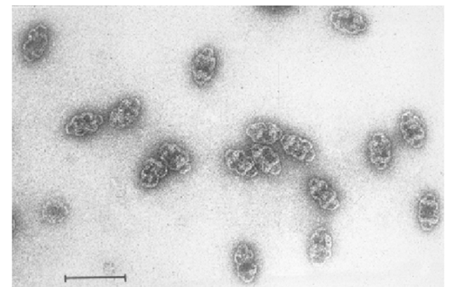
TimeVault: Photograph of Vault using electron microscopy
TimeVault: Photograph of Vault using electron microscopy. Image by: Springer Nature

This technology could have wide-ranging implications, including:

  • Identifying pre-existing drug resistance mechanisms in cancer cells
  • Capturing transient stress responses, such as inflammation or heat shock
  • Studying dynamic biological transitions, including stem cell differentiation and neuronal plasticity

By enabling long-term tracking of gene expression, TimeVault may transform how researchers investigate disease progression, cellular adaptation, and tissue development.

One possible recipe for life on Titan is a bust

A lab experiment suggests that cell-like bubbles may not form in the moon’s methane lakes

A lab simulation of Titan may burst the bubble of scientists who hoped cell-like spheres might form in the moon’s methane lakes (some seen here in radar images taken by NASA’s Cassini spacecraft).

Hopes for life inside bubbles on Titan have deflated.

Oceans of liquid methane and ethane on Saturn’s biggest moon may not support the formation of cell-like spheres called azotosomes, researchers report March 11 in Science Advances.

Titan doesn’t have liquid water and is so cold that membranes like those that encase cells and organelles in Earth organisms would freeze and shatter there. That would normally exclude the moon as a likely place for life. But in 2015, some computer simulations suggested that a component of synthetic rubber called vinyl cyanide, or acrylonitrile, could make azotosomes in liquid methane. If true, that might mean that life on Titan is possible because the compound could make protective shells around any possible cells on the moon. A later simulation, though, predicted that azotosomes couldn’t self-assemble on Titan.

No lab experiments have been done to see which simulation is right, says planetary scientist Tuan Vu of NASA’s Jet Propulsion Laboratory in Pasadena, Calif. So Vu and JPL colleague Robert Hodyss devised an experiment in which they sprinkled solid vinyl cyanide over supercold liquid ethane or liquid methane.

That mimics “one way that they can come into contact on Titan, when you have acrylonitrile forming in the atmosphere [and] coming down onto the surface where it condensed as a solid, and it comes into contact with a lake,” Vu says.

Liquid ethane and vinyl cyanide form crystals together, not bubbles, the researchers found. And no azotosomes formed in liquid methane either. Those results seem to pop the bubble hypothesis.

But the experiment doesn’t rule out life on Titan, Vu says. There may be other ways azotosomes could form, he says. Or perhaps Titanic life-forms don’t need azotosomes.

“We tend to interpret life as we know it, because that’s the only form of life that we know,” Vu says. “But on Titan it could be life as we don’t know.”

Source: One possible recipe for life on Titan is a bust

Suomalainen metsä voi hyvin

Kauneuden ja rauhan keskellä oleminen auttaa unen laatua.

Jos puiden kauneutta vertaa ihmisiin, olemme osa luontoa.

Liikkuessamme luonnossa, mieli rauhoittuu ja osa meistä keskustelee luonnon olemuksen kanssa. Hengitämme samaa ilmaa puiden, kivien ja eläinten kanssa.

Yhteistyössä on voimaa

Kun keskustelemme luonnosta, on usein asetelma me – se. Olemme kuitenkin kaikki yhteistä ekosysteemiä, joka jatkuu, vaikka ihmisinä kuolemme pois tai puun lehdet putoavat puusta syksyn tullen. Lehdet mätänevät maassa, kuten mekin. Meistä syntyy uusia ihmisiä ja puuhun uudet lehdet, kun kevät saapuu. Tähän kaikkeen kiertokulkuun tarvitsemme toisiamme tukemaan tätä uudistumista ja elämisen vaiheita varten.

Säästäkäämme toisiamme

On huonoa suunnittelua, jos tuhoamme kaiken luonnon joko käyttämällä sen antamaa ainesta liian nopealla tahdilla tai muilla tuhoavilla menetelmillä. Samalla tavalla ihmisten liian nopea elämäntapa kuluttaa elämän lyhyessä ajassa. Metsäkin tarvitsee tukea. Taudit puissa ja maaperän saastuminen ovat ihmisten autettavissa, kuten suojeluksessakin.

Tukekaamme toisiamme koko elämän alueella, niin luonnossa liikkuessamme kuin elämän polkua kulkiessammekin.

Luonto
  • puut
  • eläimet
  • marjat
  • sienet
  • kivet

Luontoa olemme kaikki

Luonnon tilan tutkiminen on jokaisen oikeus ja velvollisuus. Antakaamme luonnon elää ja sopeutua tuleviin ilmastonmuutoksen velvoittamiin toimenpiteisiin. Voimme auttaa kehityksen kulkua huomioimalla luonnon liikehdintää ja toipumistapoja.

Science and tradition differ in the preparation of good tea

Tea

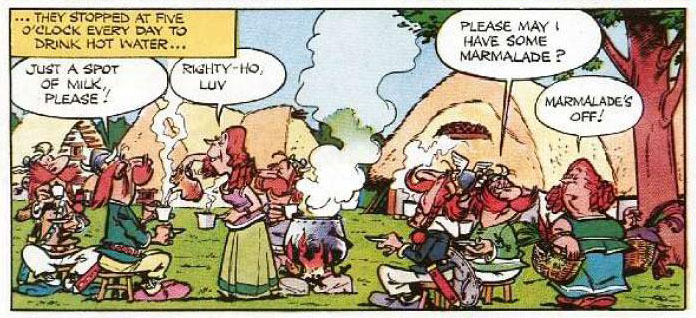
Ever since Asterix put the leaves given him by a Phoenician merchant into the hot water that the Bretons drank, and until recently, the way for the preparation of good tea has been exclusive to the British.

Asterix in Britain

Traditional preparation of tea

According to Carol, my English teacher, the preparation of a good tea is as follows:

  • Heat water in a kettle. Here you can see how to choose a good kettle.
  • Then, pour some hot water into a mug to warm it up and dispose of it
  • After that, place the tea leaves or tea bag in the cup
  • And finally, pour the hot water into the cup and leave it for a few minutes depending on the type of tea.

Scientific preparation of tea

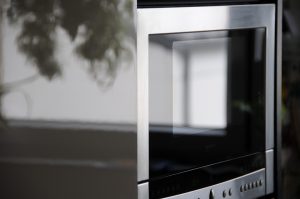
However, after years of research in the extraction of components from natural products, Dr. Quan Vuong, from the University of Newcastle, in Australia, has concluded that the best way to prepare a good tea is with the use of the microwave and not only that but also adding the tea leaves in the microwave for a few seconds!!!!. According to Dr. Vuong, the way to prepare a good tea would be as follows:

  • Pour some hot water in a cup with the tea leaves or the tea bag.
  • Then, heat in the microwave for about 30 seconds at medium power
  • And finally, leave 1 minute and remove the tea from the cup
Microwave to produce good tea

Despite the fact that Dr. Vuong had already reached this conclusion years ago, until these days it has not been expanded on social networks, due to the television series Broadchurch, where the actor David Tennant making himself tea with the use of a microwave. With the premiere of the episode, numerous complaints and comments flooded social networks, how could you extract a tea in the microwave?

In addition, according to the research of Dr. Vuong, the use of the microwave improves the separation of some of the main components of the flavor of tea such as caffeine, theanine, and some phenolic compounds, up to 80%. In addition, some of these substances such as theanine, or catechin phenolic compounds, or flavonoids, have been shown to have numerous antioxidant effects that are beneficial to health, including cardiovascular diseases and cancer (Vuong, 2014). Thus, the use of the microwave would not only enhance the flavor of the infusion but also the benefits it would bring to our health.

Solid-liquid extraction

In chemical engineering research, one of the main stages for the separation of components of solid materials is through the unit operation of solid-liquid extraction. In this operation, the transfer of the components from the solid to the liquid depends mainly on two mechanisms: (i) the solubility of the substance being extracted and (ii) the diffusion or transport mechanism within the solid and the liquid. The solubility depends fundamentally on the liquid with which it is being extracted and, on the temperature, the higher the temperature, the greater the solubility. However, in the case of tea, the temperature and the liquid almost remain unchanged, so we must improve the diffusion process instead of the solubility process, and it is precisely the diffusion mechanism that can be improved with the use of microwave extraction processes or even through ultrasound processes.

Curiosity

The word leaching, solid-liquid extraction whose objective is to separate components from a solid to a liquid, depending on the application, is sometimes called percolation. In this sense, some of the coffee machines are called percolation machines.

From this perspective, it is believed that the name of the café from the Friends series, Central Perk, is inspired by the double meaning of Central Park and the coffee obtained by percolation.

Conclusion

Forgetting the milk controversy, which can be used for another post, I encourage you to try both methods of preparing a tea at home and decide which is the best for you. The enjoyment of each one can be different.

References

http://metro.co.uk/2017/04/11/researchers-are-claiming-that-microwaving-tea-makes-the-best-brew-6568067/

http://www.independent.co.uk/life-style/health-and-families/heating-cups-tea-microwave-health-benefits-warm-kettle-scientist-dr-quan-vuong-a7678451.html

https://www.indy100.com/article/tea-cup-microwave-brew-pg-tips-yorkshire-twitter-outrage-7678466

http://www.mindfood.com/article/the-best-way-to-make-a-cup-of-tea/

https://www.newcastle.edu.au/profile/vanquan-vuong

  • Vuong, QV. 2014. Epidemiological Evidence Linking Tea Consumption to Human Health: A Review. Critical Reviews in Food Science and Nutrition, 54: 523-536.
  • Vuong QV, Bowyer MC, Roach PD. 2011. L‐Theanine: properties, synthesis and isolation from tea. Journal of the Science of Food and Agriculture, 91(11): 1931-1939.