When we hear the term plant protection, many of us immediately think of pesticides. But modern plant protection is far more complex and more sustainable than simply spraying chemicals on crops.
Today, plant protection is about defending crops while protecting ecosystems, human health, and biodiversity.
What is plant protection, then?
Plant protection refers to all strategies used to prevent and control damage caused by plant pathogens (fungi, bacteria, viruses), insect pests, nematodes, weeds, or by abiotic stresses (drought, salinity, temperature extremes).
The aim? Reduce yield losses while minimizing environmental impacts.
The shift towards sustainable management
For decades, synthetic pesticides were the dominant solution. They were effective, but their overuse led to:
- Pesticide resistance: the target pests become more resistant through heritable reduction in their sensitivity to a pesticide, causing control failures.
- Risks to human health: exposure through food, water, air, and occupational contact leads to acute poisoning and chronic illnesses such as cancers, neurodegenerative diseases (Parkinson’s), infertility, and developmental delays in children.
- Environmental contamination
- Biodiversity loss
In response, the European Union introduced policies such as Directive 2009/128/EC, which promotes the sustainable use of pesticides and requires Member States to adopt Integrated Pest Management (IPM).
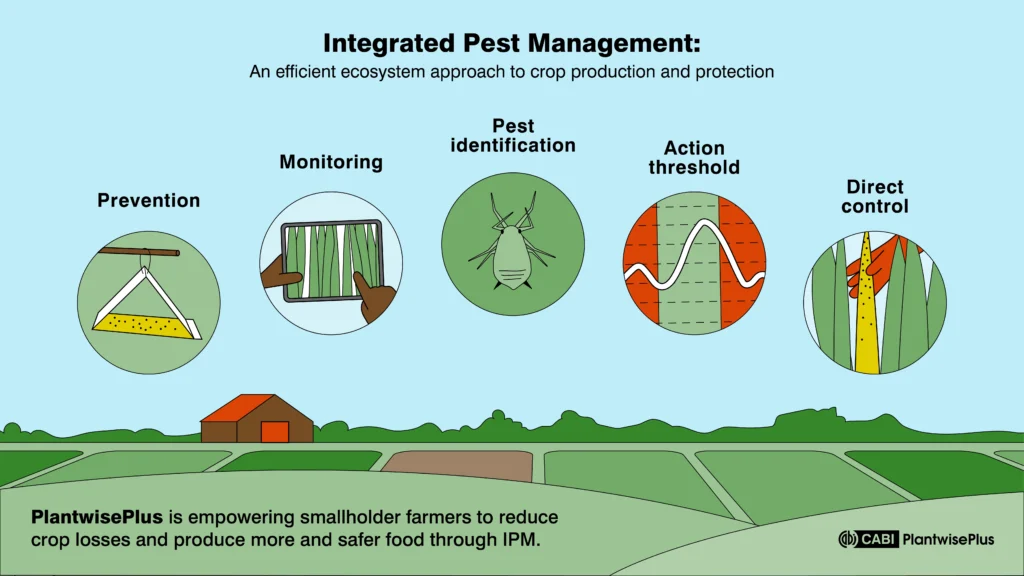
IPM is a science-based approach that combines multiple strategies to manage pests economically and sustainably. Instead of relying on a single tool, IPM integrates:
- Biological control: using natural enemies (predators, parasitoids, beneficial microbes)
- Cultural practices: crop rotation, resistant varieties, planting dates
- Mechanical methods: using traps and physical barriers
- Chemical control: used only when necessary and in a targeted way
The core principle is simple:
“Prevention first. Chemicals last.”
The future of agriculture with plant protection technologies
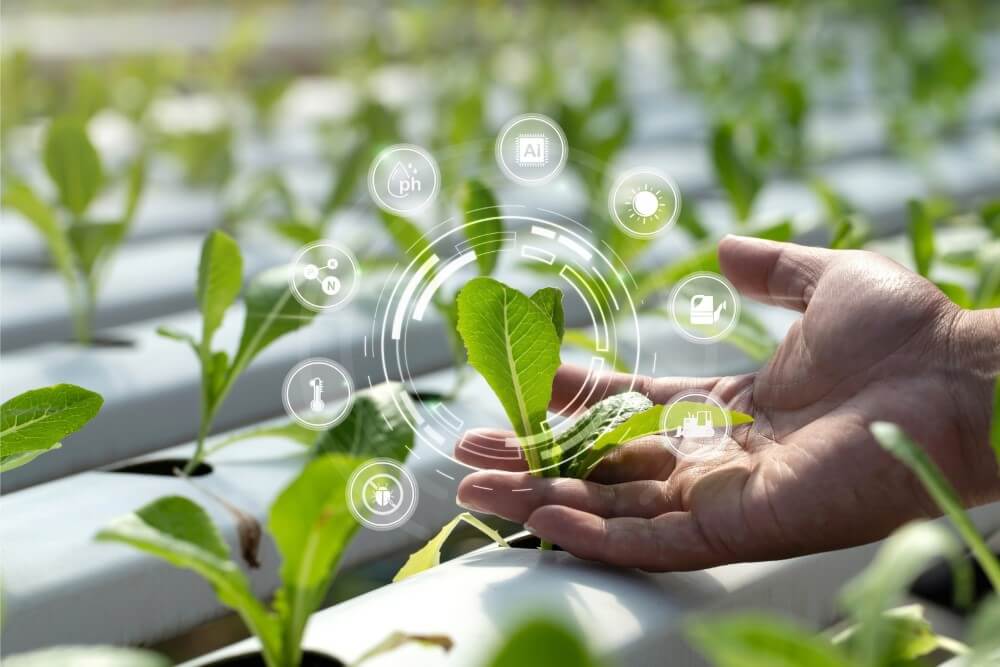
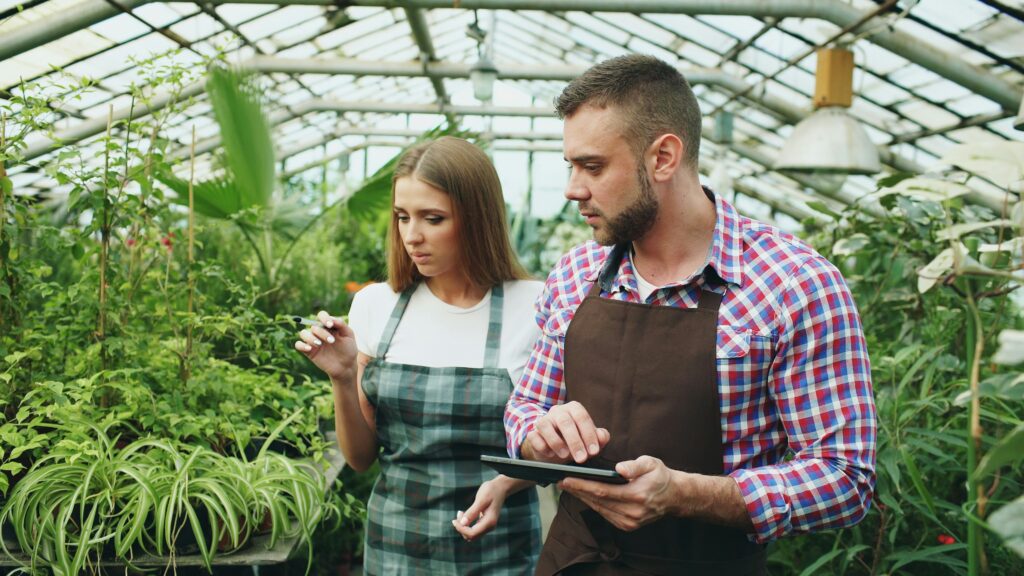
Innovation is reshaping the field through:
- Precision agriculture tools that reduce pesticide use
- Resistant crop varieties developed through advanced breeding
- Biopesticides and microbial-based solutions
- Digital pest monitoring systems
Sustainable plant protection is not about eliminating technology, but it’s about using science responsibly.
Final thoughts
Feeding a growing global population WHILE preserving ecosystems is one of the greatest challenges of our time, and plant protection sits at the center of this challenge.
The real question is no longer Should we protect plants? .. but rather: How can we protect them in a way that protects everything else too?
Well, this is all for today! If you found this article useful, share it with someone interested in sustainable agriculture. Thank you for reading.
By: Bassma EL BAKKOURI